The first people to inhabit Vancouver Island arrived at least 13,000 years ago and their descendants still call this region home. Campbell River is located on the ancestral and unceded territories of the Liǧʷiłdax̌ʷ People of the We Wai Kai and Wei Wai Kum Nations. The region is also home to many other Nations including the Homalco, Klahoose, Tla’amin, K’ómoks, Mowachaht, Muchalaht, Kyuquot, Cheklesahht, and others. See below for a 2-day itinerary in Campbell River that will give you a small but meaningful glimpse into our local First Nations culture.
Day to Day
Day One – A Tour on the Salish Sea With the ‘Peoples of the Fast-Running Waters’
Start With a Tour
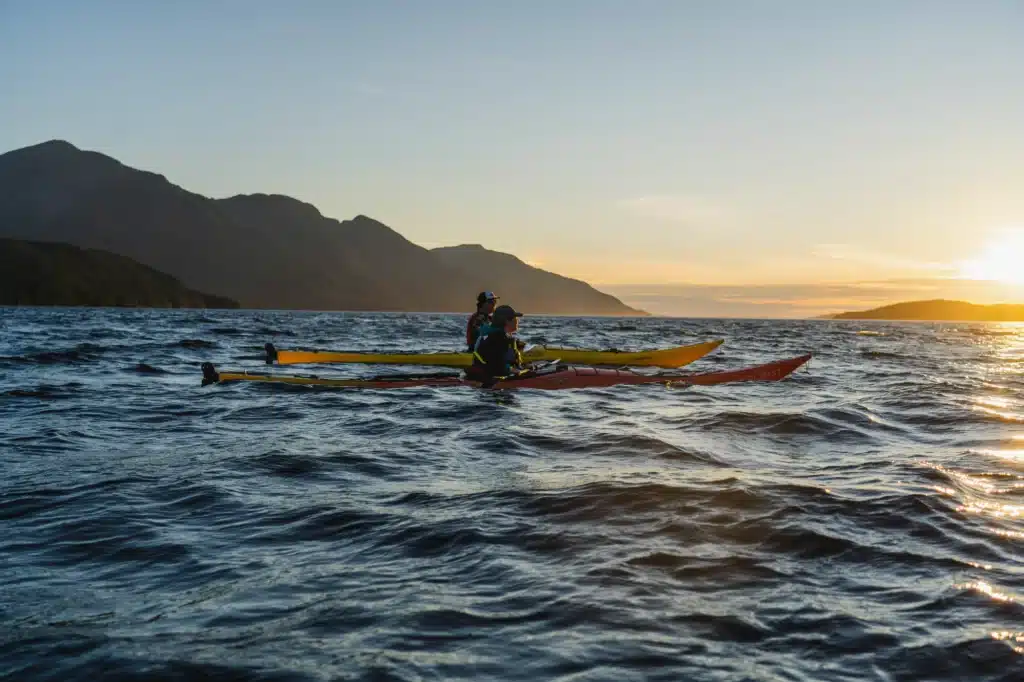
Report in at the Coast Marina and join Homalco Wildlife & Cultural Tours for their People Water Land Tour. Journey alongside humpback and killer whales to reach the uninhabited Homalco First Nation village site, Aupe. Venture onto shore to hear stories, work with cedar, and celebrate the Homalco’s living culture. Eagles, sea lions and wild black bears are also known to make an appearance throughout the journey.
The uninhabited village of Aupe, or Church House, is a place of bountiful fishing and clam beds. The last Homalco people left Aupe in the early 1980s, but the area is still rich with stories and memories of our people.
Join your Homalco guide for a unique wildlife and culture tour across the Salish Sea to the majestic mouth of Bute Inlet. You’ll get hands-on with cedar bark (Taχəmay) while learning to weave your own cedar bracelet, and you’ll hear traditional stories, language and legends.
The Homalco people, also known as the “people of the fast-running waters,” have been stewards of these lands and waters since time immemorial. We invite you to walk in the footsteps of our ancestors and see the majestic beauty of these lands through our eyes.
This unique cultural experience is available May through October and is appropriate for ages six and up.
Dinner with More on the Shore
Located just steps away from the Homalco Wildlife & Cultural Tours office is More on the Shore; an eatery dedicated to serving up fresh fish & chips and other dishes made with the ocean’s bounty. Sit on the docks and compare your cedar bracelet craftsmanship with enjoying delish food from the seas you journeyed on mere minutes earlier.
Where To Stay
Located right in the heart of downtown, steps away from the Art Gallery, downtown shops and Coast Marina, both the Coast Discovery Inn or Comfort Inn & Suites Campbell River are perfectly situated for a stay in Campbell River.
Another option would be the Indigenous-owned Thunderbird RV Park & Resort, located adjacent to the Tyee Spit. Although mainly a full-service RV park, Thunderbird also features a small handful of cottages with beautiful views overlooking the Campbell River Estuary.
Day Two – Art, Culture, & History
Sample Local Flavours at Stonehouse Teas
With over 120 unique blends, Stonehouse Teas has a flavour for everyone. One of their signature blends, the Campbell River black tea, is a unique blend that captures the taste and feel of Campbell River that incorporates wild berries found in the region. As a classically trained chef, owner Christine Lilyholm has also created a menu of both savoury and sweet good to satisfy any appetite.
A Walk Along the Tyee Spit (ʔuxstalis [ook-stah-LEES])
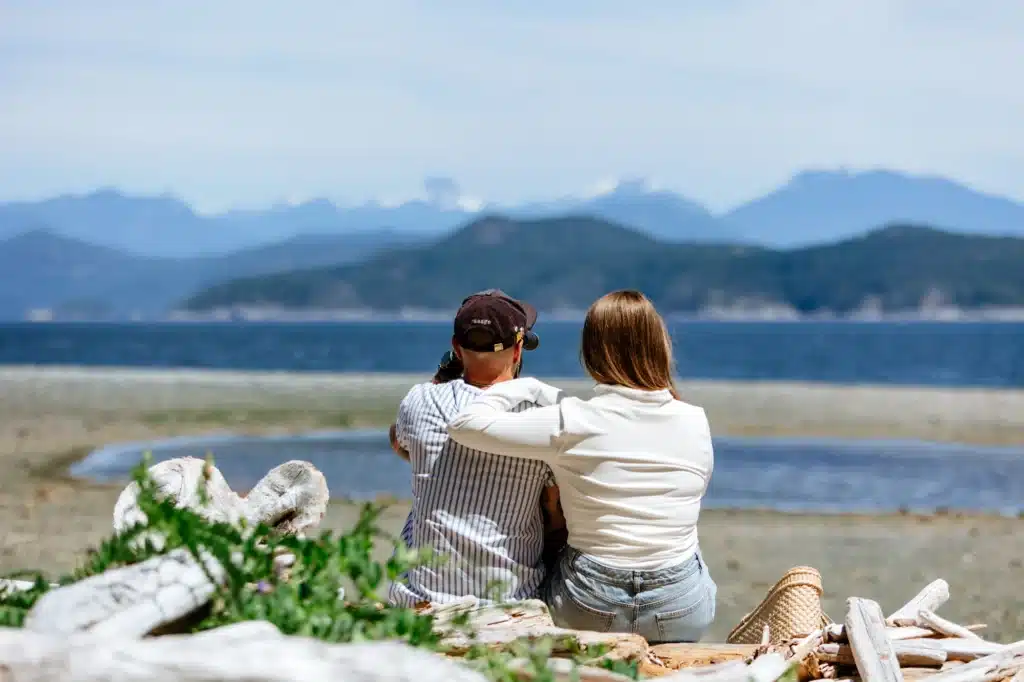
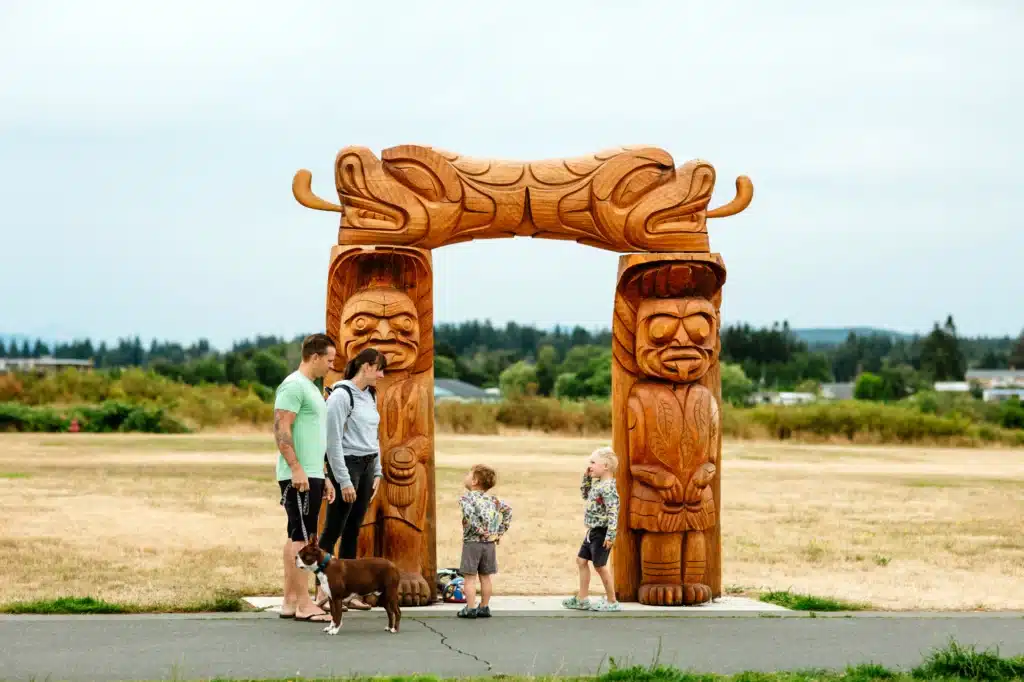
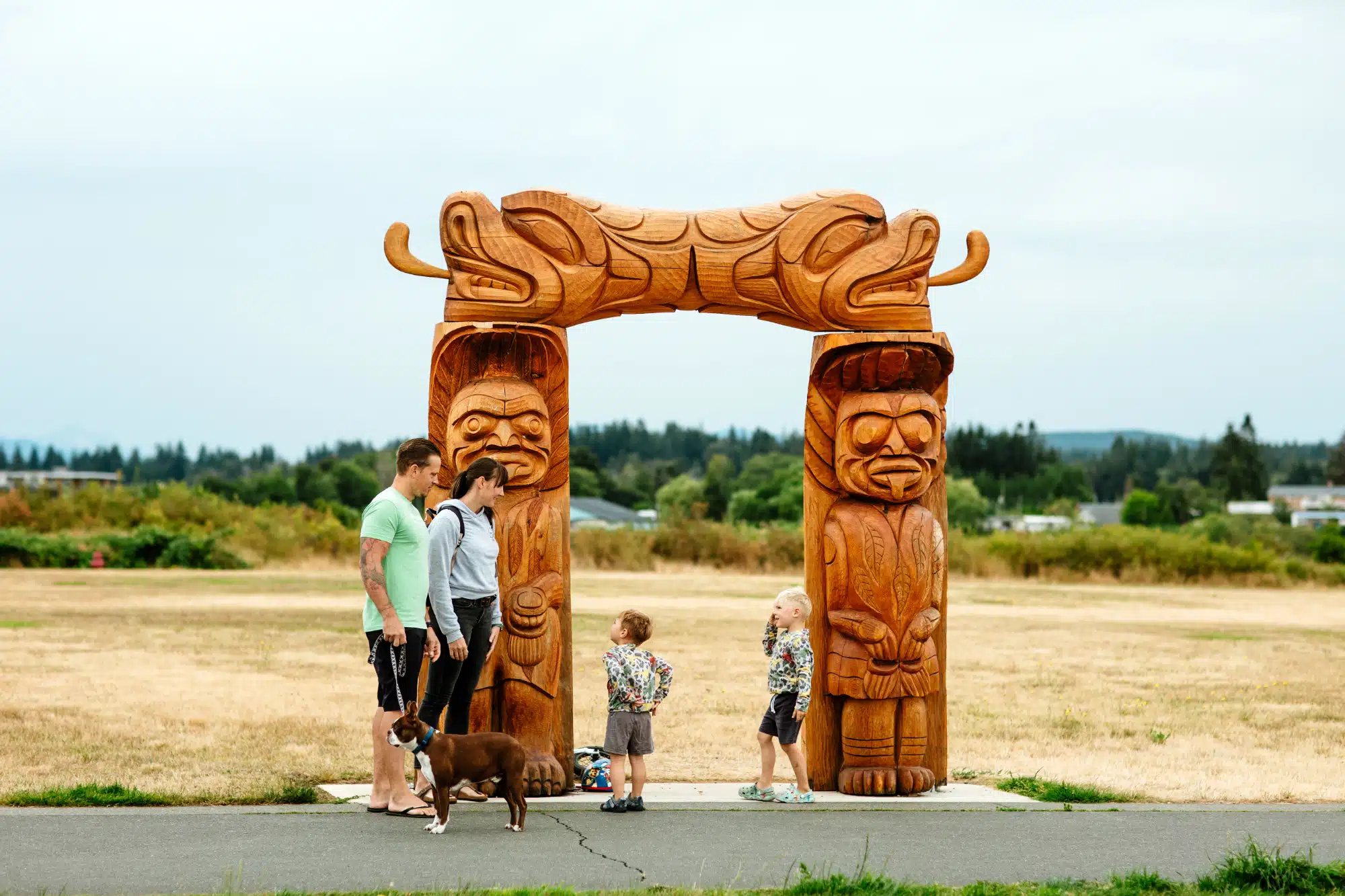
A beautiful park located at the mouth of the Campbell River estuary with beautiful views of Quadra Island and the Liǧʷiłdax̌ʷ Passage (more commonly known as the Discovery Passage), the Tyee Spit is a place of significant importance among the local First Nations. It is here where the local Indigenous (and later Europeans) rowed their boats to the Tyee Pools for legendary salmon fishing. In fact, “Tyee” is an Indigenous word for “King” or “Chief” and refers to the Chinook salmon who weigh 30 pounds or more. In 2024, local First Nations unveiled a new wooden archway carved by Junior Henderson (Wei Wai Kum), Ernie Puglas (Wei Wai Kum), and Karver Everson (K’omoks) to represent a new era of collaboration and to reconnect Wei Wai Kum with their ancestral lands and celebrating shared culture.
A Visit to the Museum at Campbell River
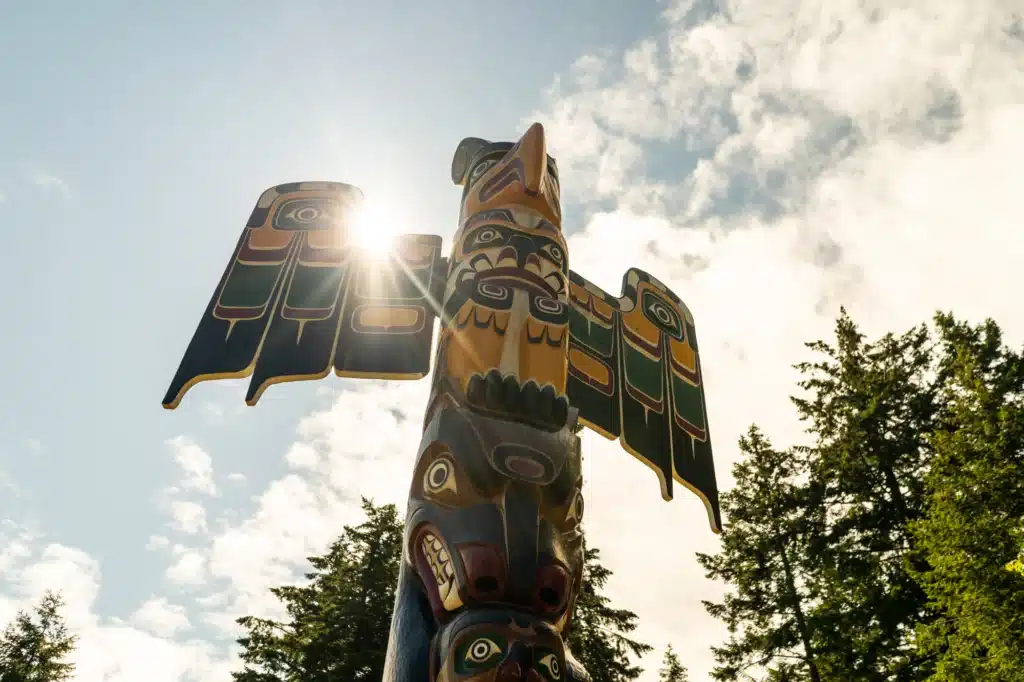
One of the most well-curated museums of its size anywhere in Canada, the Museum at Campbell River is a gateway to our region’s past. The Museum at Campbell River features many permanent indoor and outdoor exhibits about pre-colonial First Nations (with artifacts from over 30 different Nations), post-colonial First Nations, logging, fishing, and other elements of our past coastal lifestyle. Just outside the Museum is the iconic Thunderbird Bear Pole, carved by several generations of the legendary Henderson family of Wei Wai Kum wood-carvers, and the first public art installation identified in the Liǧʷiłdax̌ʷ Tourism Guide.
View Indigenous Works at the Campbell River Art Gallery
With exhibits regularly featured at galleries in some of Canada’s largest cities, the Campbell River Art Gallery and its contributors are prolific in terms of the quality of art produced. With many contributions from local Indigenous artists, the Art Gallery is a must-see for anyone wanting to immerse themselves in Indigenous culture of Campbell River.
Shop Indigenous
Campbell River is home to many Indigenous owned and operated shops that allow visitors to purchase keepsakes made by expert Indigenous artisans.
Standing Spruce Farm & Apothecary is an authentic Indigenous wellness company steeped in traditional values and customs that provides authentic, wildcrafted products.
RavenSong Soap & Candle are creators of artisanal soap. Created in small batches with premium natural ingredients, these luxury soaps are made entirely by hand in the cold process tradition.
West Coast Wildflowers is an Indigenous retail store with a mission to support authentic Indigenous artisans from all across Canada. They pride themselves on offering sustainable, ethical, and premium gifts perfect for anyone who appreciates quality-made products.
Wei Wai Kum House of Treasures is a Nation-owned and operated shop that features jewelry, clothing, masks, home accessories, prints, paddles, and souvenirs created by Indigenous artists mostly based on Vancouver Island.